KIV and HKIV JIS cables are the backbone of Japanese industrial wiring, meeting strict JIS C 3306 and JIS C 3312 standards for safety and performance. This article explains their construction, applications, and procurement considerations for engineers and buyers.
This article covers the technical specifications, standard references, application scenarios, and procurement tips for KIV and HKIV cables. It is intended for electrical engineers, procurement managers, and distributors working with Japanese equipment or exporting to Japan.
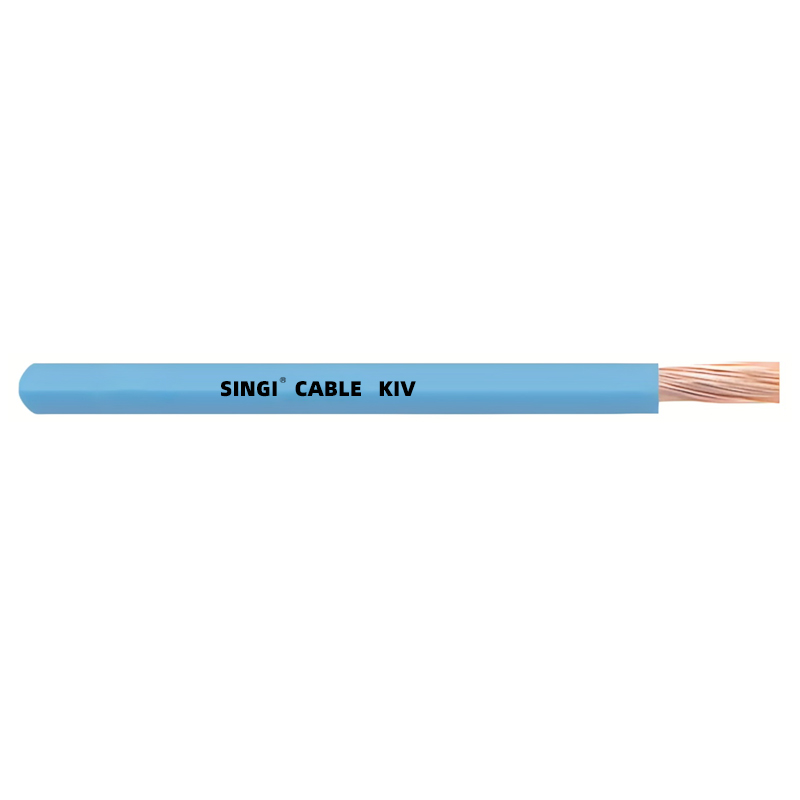
KIV is a 600V grade PVC insulated wire defined by JIS C 3306. It is used for internal wiring of electrical appliances, control panels, and lighting fixtures. HKIV is a heavy-duty variant with thicker insulation, specified under JIS C 3312, designed for higher mechanical strength and oil resistance. Both cables are mandatory for equipment requiring PSE (Product Safety of Electrical Equipment & Materials) certification in Japan.
Key Reference: JIS C 3306:2000 — PVC insulated wires (IV wires); JIS C 3312:2000 — PVC insulated cables for 600V grade.
Japan enforces strict safety regulations under the Electrical Appliance and Material Safety Law (DENAN). Any cable used in equipment sold or operated in Japan must comply with relevant JIS standards and carry PSE marking. Using non-compliant cables risks legal penalties, fire hazards, and voided insurance. For B2B buyers sourcing for Japanese OEMs or factory installations, JIS compliance is non-negotiable.
, JIS standards align with international norms like IEC 60227 but include unique requirements for flame retardancy, conductor stranding, and insulation thickness. Engineers must verify that the cable manufacturer holds valid PSE certification for the specific type (e.g., KIV or HKIV).
The primary difference lies in insulation thickness and rated voltage. KIV is lighter and more flexible, suitable for internal wiring of devices. HKIV has thicker PVC insulation and a braided shield for electromagnetic interference protection, making it suitable for control circuits in industrial environments.
| Parameter | KIV (JIS C 3306) | HKIV (JIS C 3312) |
|---|---|---|
| Rated Voltage | 600V | 600V |
| Insulation Thickness | 0.8–1.2 mm (typical) | 1.0–1.6 mm (typical) |
| Conductor Stranding | Fine stranded (class 5) | Fine stranded (class 5) |
| Common Applications | Appliance wiring, lighting | Control panels, machine cables |
| Oil Resistance | Not specified | Enhanced |
| PSE Certification | Required | Required |
For applications requiring high flexibility or exposure to oil, HKIV is preferred. For fixed internal wiring where space is limited, KIV offers a cost-effective solution.
PSE certification is mandatory for all KIV and HKIV cables sold in Japan. Buyers should request the manufacturer's PSE certificate from a recognized body (e.g., JET, TUV Rheinland). The cable marking must include the PSE logo, rated voltage, conductor size, and standard number (JIS C 3306 or 3312). Cross-check the product listing on the Japanese METI database if possible.
Reputable suppliers like Singi-Cable provide full documentation and traceability. Always insist on batch test reports for conductor resistance, insulation resistance, and voltage withstand tests.
A: No. HKIV has thicker insulation and better oil resistance. Substituting KIV in a heavy-duty environment risks insulation breakdown.
A: Yes. Both meet the flame retardancy requirements of JIS C 3005 (vertical flame test).
A: Check for PSE marking, manufacturer's declaration, and traceable test reports. Avoid unmarked cables.
A: Standard KIV and HKIV are rated for 60°C conductor temperature. Some variants are available with 70°C or 90°C rating, specified in the data sheet.
A: Not . European cables lack PSE certification and may not meet JIS flame or insulation performance. Local regulations require JIS-compliant cables.
For reliable KIV and HKIV JIS cables with full PSE certification, visit the Singi-Cable product page: KIV HKIV JIS Cable. All cables are tested to JIS C 3306 and JIS C 3312 standards, ensuring safety and compliance for your Japanese projects.
References
![Singi Cable[Email: singi100@singi.com]](/u_file/2303/photo/11c1fa1eb8.jpg)

