UL1007 cable is a widely specified electronic wire for internal wiring in appliances, control panels, and electronic equipment. This article provides a comprehensive buying guide for engineers and procurement professionals at Singi Cable, covering key specifications, safety standards, and chooseion criteria.
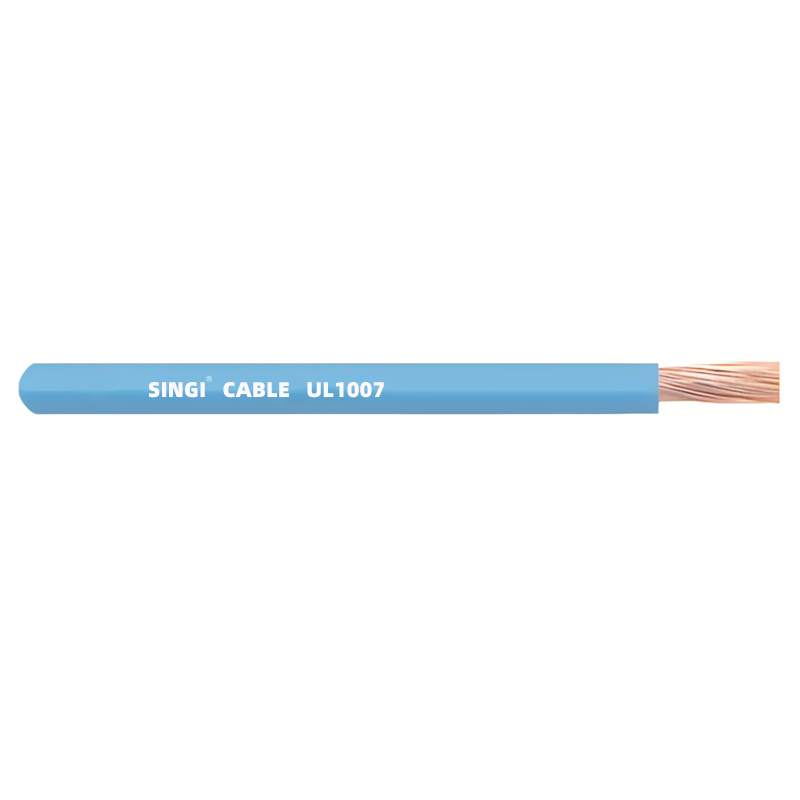
UL1007 cable is a type of single-conductor, PVC-insulated electronic wire recognized under Underwriters Laboratories (UL) Standard 1007. It is designed for internal wiring applications where reliability, flexibility, and cost-efficiency are required. The cable features a stranded tinned copper conductor and a polyvinyl chloride (PVC) insulation jacket that provides good dielectric strength and resistance to moisture and abrasion. Engineers often choose UL1007 cable for its balance of performance and affordability in low-voltage signal and power circuits under 300V in dry environments. Singi Cable supplies UL1007 cable in various AWG sizes and colors to meet diverse design needs.
The safety of UL1007 cable is validated through rigorous testing to UL Standard 1007, which assesss insulation integrity, voltage withstand, and temperature rating (typically 80°C in dry conditions). Compliance with this standard ensures that the cable can operate reliably without increasing the risk of short circuits or fire. Furthermore, Singi Cable's UL1007 products comply with relevant international frameworks such as IEC 60947-1, which outlines general rules for low-voltage switchgear and controlgear, and IEC 60947-2, which specifies requirements for circuit-breakers. While UL1007 is a wire of limited voltage rating, its use in conjunction with properly rated equipment helps maintain overall system safety. Adherence to these standards minimizes liability for manufacturers and end users.
When sourcing UL1007 cable for a project, engineers must verify several parameters:
A parameter comparison table can help assess options:
| Parameter | Typical UL1007 | Higher Temperature (UL1015) |
|---|---|---|
| Voltage Rating | 300V | 600V |
| Temperature Rating | 80°C | 105°C |
| Insulation Thickness | 0.76 mm (approx.) | 0.76 mm (approx.) |
| Typical Applications | Internal wiring, appliances | Higher temp internal wiring |
Always refer to the datasheet provided by Singi Cable for exact values.
UL1007 cable is a workhorse in many low-voltage electronic products. Typical applications include:
Its flexibility and small outer diameter make it ideal for crowded panels where space is limited. Procurement professionals at Singi Cable can advise on the best configuration for specific assembly processes.
Ensuring the authenticity and consistency of UL1007 cable is critical for project success. Here are recommended steps:
Note: Non-certified cables may not perform as expected, leading to premature insulation failure. Always choose a supplier who provides documented compliance with UL 1007 and applicable international standards.
UL1007 is generally intended for dry, indoor environments. PVC insulation can be damaged by UV and moisture. For outdoor use, consider cables with sunlight-resistant jacket.
UL1007 is rated 300V and 80°C, while UL1015 is rated 600V and 105°C. UL1015 has thicker insulation, making it suitable for higher voltage and temperature applications.
Yes, the ampacity depends on the conductor size, temperature, and installation conditions. Use the NEC or manufacturer's ampacity table for proper sizing.
For engineers and procurement managers looking for a reliable source of UL1007 cable, Singi Cable provides certified products with competitive pricing and fast delivery. Browse the UL1007 product page or contact the sales team for custom quotations.
![Singi Cable[Email: singi100@singi.com]](/u_file/2303/photo/11c1fa1eb8.jpg)

